
You do not have to go through the credit bureaus to dispute an error. Federal law lets you dispute directly with the furnisher — the bank, lender, or collector that reported the information. In some cases, going straight to the source is faster and more effective. Here is the process.
Step 1: Identify the Furnisher
Look at the disputed item on your credit report and note exactly who reported it: the creditor name, account number, and the address the bureau lists for disputes. The furnisher is the company whose records need correcting, so precision here matters.
Step 2: Find the Furnisher’s Dispute Address
Furnishers must provide a specific address for direct disputes — often listed on your credit report, on the company’s website, or available by phone. Do not send your dispute to the general customer service address; use the designated dispute channel so it gets proper legal handling.
Step 3: Write a Direct Dispute Letter
Your letter should identify you, identify the account, describe the specific information you are disputing and why it is wrong, and include copies of supporting documents. State clearly that this is a direct dispute under the Fair Credit Reporting Act. The CFPB’s sample letters work as a starting template.
Step 4: Include Your Evidence
Attach copies — never originals — of everything that proves your case: payment records, account statements, correspondence with the company, court documents. A furnisher that receives clear evidence with the first letter resolves disputes faster than one that has to ask for it.
Step 5: Send It by Certified Mail
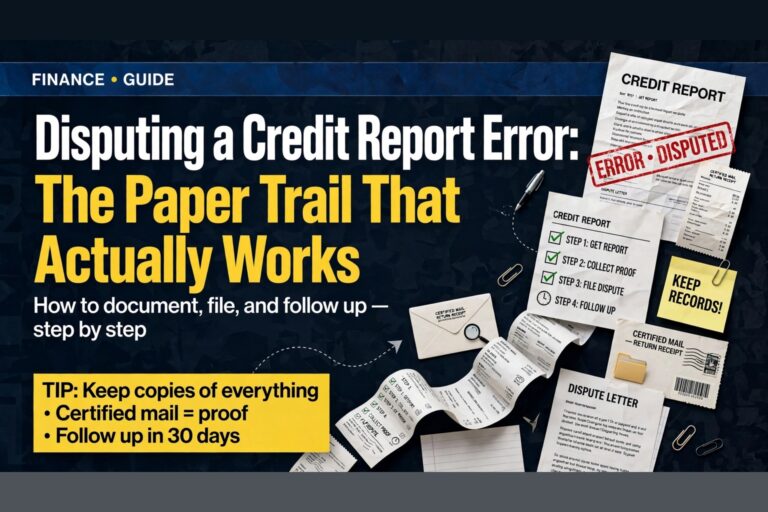
Mail the dispute certified with return receipt requested, and keep copies of the letter and every enclosure. The furnisher generally has 30 days to investigate. Your mailing receipt starts the clock and proves you met your obligations.
Step 6: Know What the Response Must Contain
The furnisher’s response should identify the account, state that the dispute was investigated and completed, and explain the results — including what corrections it is sending to the bureaus if it found an error. If the notice is vague or missing these elements, follow up in writing.
Step 7: Verify the Correction Everywhere
If the furnisher agrees to correct the information, confirm the fix appears on all three bureau reports — not just one. Furnishers must notify every bureau they reported to. Check your next round of reports and dispute again if the correction did not propagate.
Step 8: Escalate If They Stonewall
If the furnisher ignores your dispute, gives an inadequate response, or keeps reporting information it knows is wrong, file a complaint with the CFPB and consider consulting a consumer attorney. Furnishers that violate their investigation duties face real liability.
Disputing with the furnisher puts your case in front of the party that actually holds the records. Used alongside bureau disputes, it is one of the most effective tools in the consumer’s kit — and it costs nothing but postage. This article is general information, not legal advice.
When Direct Disputes Work Best
Direct furnisher disputes shine in specific situations. When the error is clearly in the furnisher’s records — a payment they misapplied, a balance they miscalculated, an account they should have closed — going to the source skips the bureau middleman and gets your evidence in front of the people who can actually fix it. Furnishers that receive clear, documented disputes often correct errors faster than the bureau process, because there is no translation loss between your letter and their records.
They are also valuable as a second front. Filing with both the bureau and the furnisher creates two independent legal obligations to investigate, which matters if one of them drops the ball. And if the furnisher verifies inaccurate information to the bureau, your direct dispute letter becomes evidence that the furnisher knew — or should have known — the truth. In the rare cases that escalate to legal action, that paper trail is often the difference between a dismissed complaint and a winning one.

Join the conversation
Load Facebook comments to read and reply using your Facebook account.