
Balance transfer cards let you move high-interest credit card debt onto a card with a low or zero percent introductory rate — potentially saving significant interest while you pay the balance down. But the details determine whether it helps or hurts. Ask these questions first.
How long is the introductory rate, and what happens after?
Intro periods typically run 12 to 21 months. The critical question is the rate after the intro ends — often much higher. Calculate whether you can realistically pay off the transferred balance within the intro window; whatever remains gets expensive fast.
What is the transfer fee?
Most balance transfer cards charge a fee of 3 to 5 percent of the transferred amount, added to the balance. A 3 percent fee on $5,000 is $150. Compare that fee against the interest you would pay by leaving the debt where it is — the transfer usually still wins, but run your own numbers.
Can I transfer between any cards?
Generally no — you usually cannot transfer a balance between two cards from the same issuer. Check the card’s terms for eligible transfer sources before you apply, especially if most of your debt sits with one bank.
Will I qualify for a high enough limit?
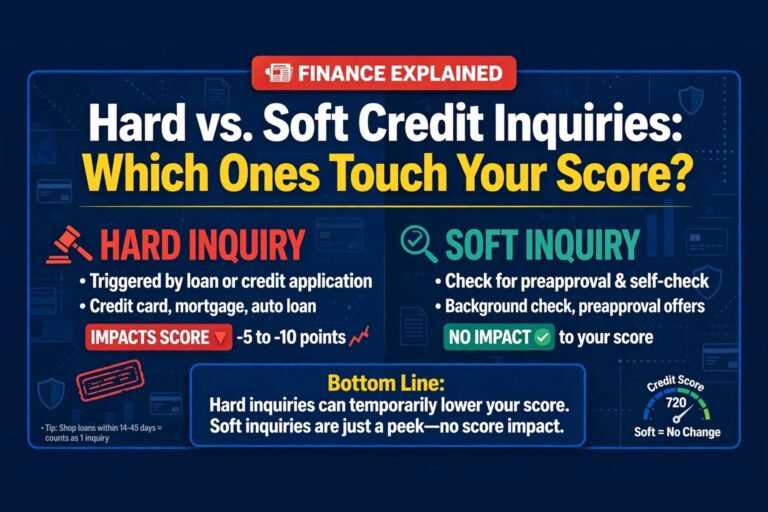
You can only transfer up to your approved credit limit (often minus the fee). If you are approved for less than your full balance, you will need a plan for the remainder. Also note that applying triggers a hard inquiry, which can temporarily affect your scores.
What happens to new purchases on the card?
Many balance transfer cards charge interest on new purchases immediately, with no grace period, while the intro rate applies only to the transfer. The safe move: use the card for the transfer only, make no new purchases on it, and pay it down aggressively.
What is my payoff plan?
Divide the transferred balance (plus fee) by the number of intro months — that is your required monthly payment to finish in time. Set up automatic payments for at least that amount. A balance transfer without a payoff plan is just debt with a countdown timer.
This article is general information, not financial advice. Terms vary by card and issuer.

Join the conversation
Load Facebook comments to read and reply using your Facebook account.