Reader question
What do I do with all the collection agencies? I know it is illegal for them to harass me with mail or phone calls, and technically all they did was buy the debt. Almost all of my credit cards are charged off and in collections now.
— Anonymous reader
Short answer: Do not ignore the accounts, but do not assume every demand is accurate either. Ordinary letters and calls are not automatically illegal. Federal law prohibits harassment, abuse, deception, and unfair collection practices. A company that bought a debt may still have the right to collect it, but it must provide the information needed to identify and validate the account.
Start with a separate file for every account
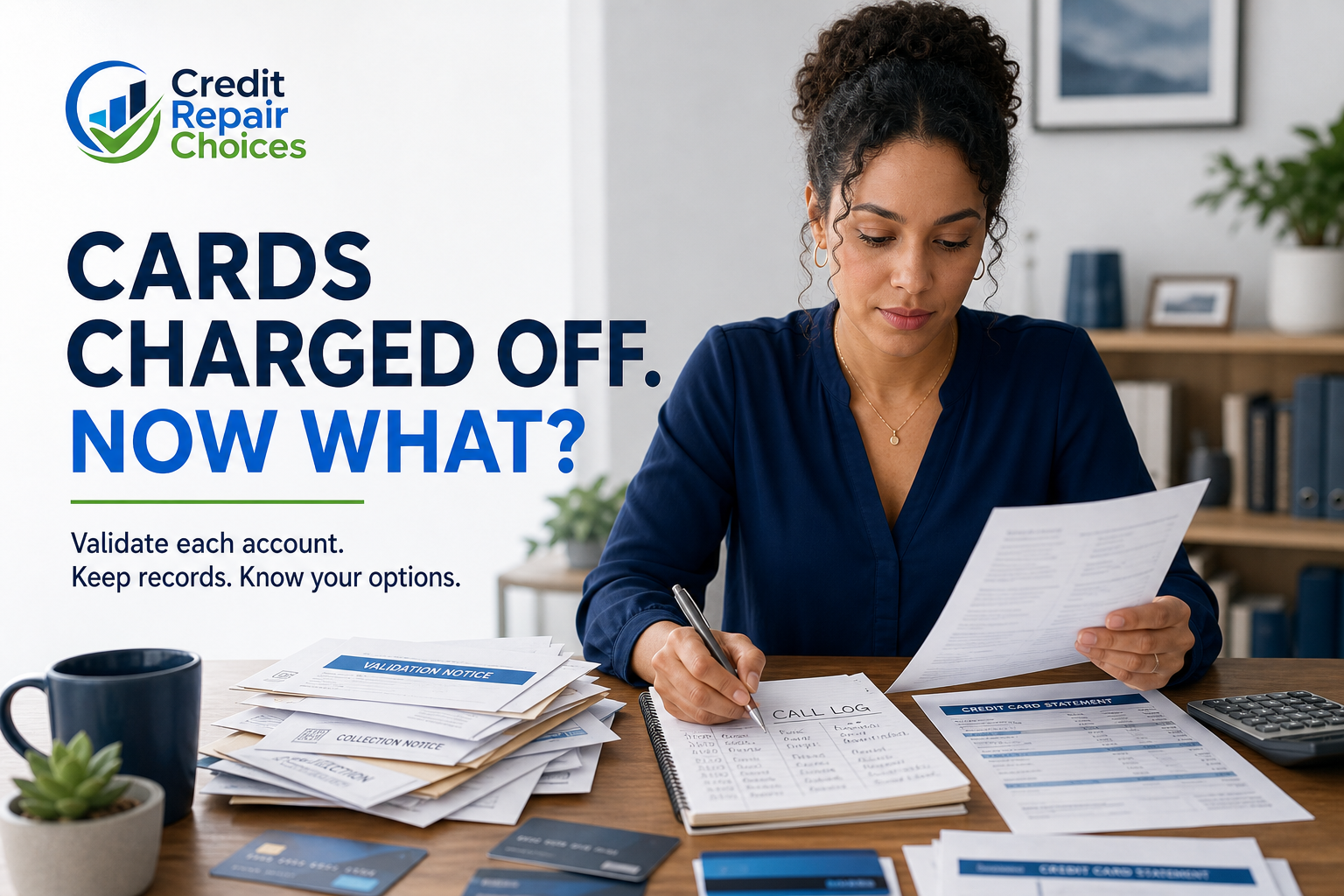
Make a list showing the original card issuer, the current collector or debt buyer, the balance claimed, the date of the validation notice, the last payment you remember making, and whether the account appears on each credit report. Keep the envelopes, letters, emails, call logs, and screenshots. Do not send a collector your full Social Security number, bank login, or card number merely because someone called.
Check the validation notice
A debt collector generally must provide validation information during the first communication or shortly afterward. It should identify the current creditor, show the amount claimed, and explain how to dispute the debt. If the debt is not yours, the amount is wrong, the same balance is being collected twice, or the collector cannot identify the account, dispute the specific problem in writing.
A written dispute sent within the validation period shown on the notice generally requires the collector to pause collection of the disputed amount until it sends verification. You may also request the name and address of the original creditor when it differs from the current creditor. Keep a copy and proof of delivery.
Buying a debt does not automatically erase it
Debt buyers purchase accounts for less than the face value because collection is uncertain and expensive. That purchase price does not, by itself, cancel the consumer’s obligation. The practical questions are whether the debt is yours, the amount is accurate, the collector has the right party and account, the debt is within the applicable time limits, and the collector is following federal and state law.
A charge-off is not the same as forgiveness
A charge-off is an accounting action by the original creditor. The account may still be collected, sold, settled, or sued upon, subject to the applicable law. Accurate negative reporting also is not automatically removable simply because the account was charged off or sold.
If you want contact to stop
You can send a written request telling a debt collector to stop contacting you. After receiving it, the collector generally may contact you only for limited reasons, such as confirming that communications will stop or notifying you of a specific action it may take. The request does not erase the debt, prevent accurate credit reporting, or necessarily prevent a lawsuit.
Before paying or agreeing to a plan
- Confirm the debt and current owner in writing.
- Check the statute of limitations that applies in your state before making a payment or promise. State rules differ, and in some situations a payment can affect the limitations analysis.
- Decide what amount is actually affordable after housing, food, utilities, insurance, and transportation.
- Get any settlement or payment agreement in writing before sending money.
- Never give a collector permission to pull unpredictable amounts from your bank account.
Do not ignore court papers
A stop-contact letter and a dispute letter are not substitutes for answering a lawsuit. If you are served, respond by the deadline in the court papers. Failing to answer can lead to a default judgment even when you believe the balance is wrong.
When to get individualized help
Because this reader has several charged-off accounts, the next decision depends heavily on the state, account ages, balances, income, assets, and whether any lawsuit has been filed. A nonprofit credit counselor or a consumer-law attorney can help compare settlement, repayment, defense, and bankruptcy options. This answer is general education, not legal advice.
External references
- CFPB: What to do when a debt collector contacts you
- CFPB: Disputing a debt and requesting verification
- CFPB: Know your rights when a debt collector calls
- CFPB: What to do if you are sued
Join the conversation
Load Facebook comments to read and reply using your Facebook account.