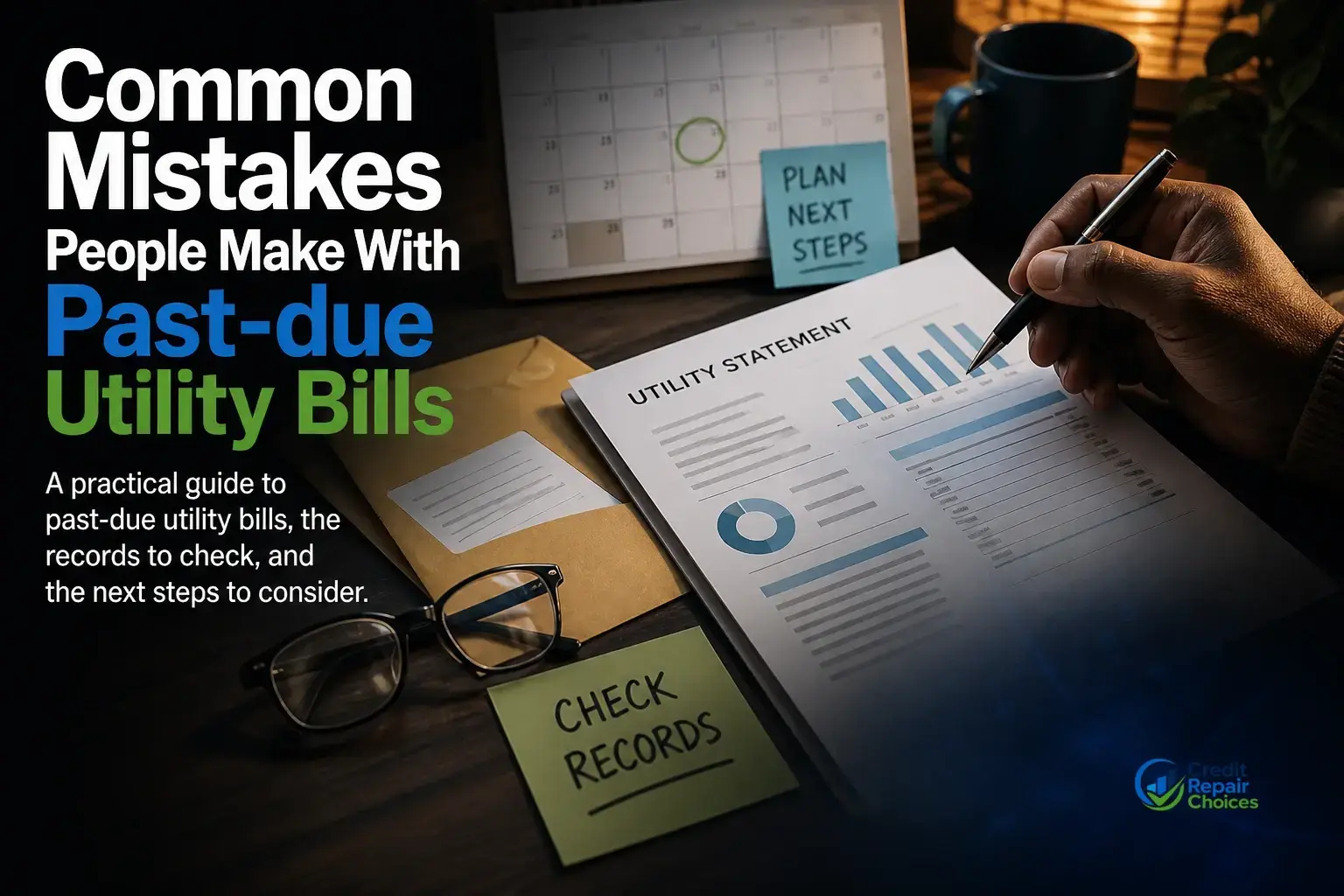
Utility bills feel separate from the credit world — until a past-due balance lands on your credit report or gets handed to a collector. These are the mistakes that turn a manageable bill into a lasting credit problem.
Mistake 1: Assuming Utilities Can’t Affect Your Credit
Most utility companies don’t report your on-time payments each month, which creates a false sense of safety. But many will report seriously delinquent accounts, and unpaid balances are routinely sold or assigned to collection agencies, which do report. The CFPB confirms you can dispute inaccurate utility reporting just like any other credit report error — which also means accurate negative reporting is allowed to stay.
Mistake 2: Ignoring the Bill Instead of Calling
The single most expensive mistake is silence. Utility companies and their billing departments usually have hardship programs, payment plans, and extension options — but only if you ask before the account is charged off or sent to collections. A ten-minute call early can prevent months of damage.
Mistake 3: Paying a Collector Without Getting Terms in Writing
If the debt has already gone to collections, don’t pay over the phone on a verbal promise. Get the settlement terms in writing first: the amount, the account it covers, and how the collector will report the resolution to the bureaus. A paid collection is generally better than an unpaid one, but only written terms protect you if the collector’s story changes.
Mistake 4: Not Checking Whether the Debt Is Even Valid
Utility billing errors are common — estimated readings, deposits never credited, final bills sent to old addresses. Before paying anything, verify the balance is actually yours and the amount is correct. Request an itemized statement. If the account went to a collector, you have the right to request debt validation.
Mistake 5: Forgetting to Check Your Reports Afterward
People resolve the bill and never confirm the credit reporting caught up. Pull your free reports at AnnualCreditReport.com a month or two after resolution and verify the account shows the correct status. If it doesn’t, dispute the inaccuracy with the bureau reporting it.
Mistake 6: Closing the Account to “Make It Go Away”
Moving or switching providers doesn’t erase what you owe the old one. Final bills follow you, and an unpaid final balance can surface as a collection months later. Always request a final meter reading, pay or formally dispute the closing balance, and keep the confirmation.
General educational information, not financial or legal advice. Rules on utility reporting and collections vary by state and provider.



Join the conversation
Load Facebook comments to read and reply using your Facebook account.