

Cash App Referral: Get $5 After Sending $5 (Code 6623HRL)
The supplied Cash App link currently offers a new eligible user $5 after sending $5, and CreditSoft may receive a $5 referral bonus. Here is what the official pages do and do not verify.
Guide library
Browse every published guide or search for the account, report item, debt, or consumer right you are working through.
The supplied Cash App link currently offers a new eligible user $5 after sending $5, and CreditSoft may receive a $5 referral bonus. Here is what the official pages do and do not verify.

Short answer: Do not ignore the accounts, but do not assume every demand is accurate either. Ordinary letters and calls are not automatically illegal. Federal law prohibits harassment, abuse, deception, and unfair collection practices.…
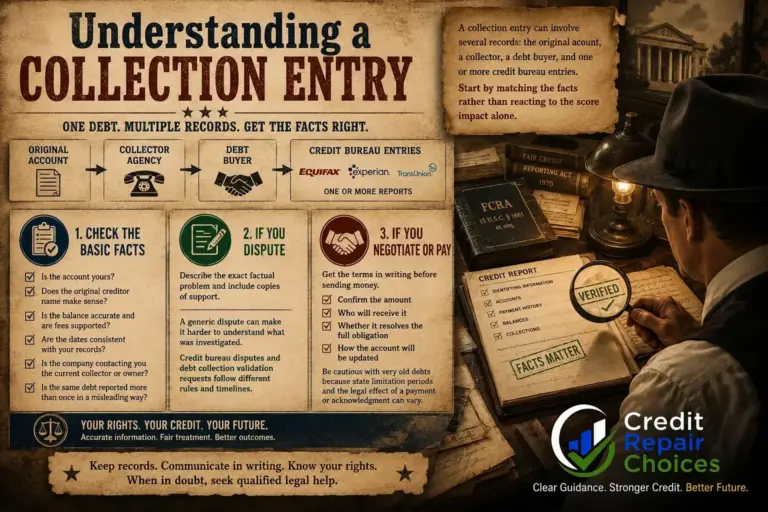
Before paying or disputing a collection, verify ownership, amount, dates, current collector, and how any agreement will be documented.
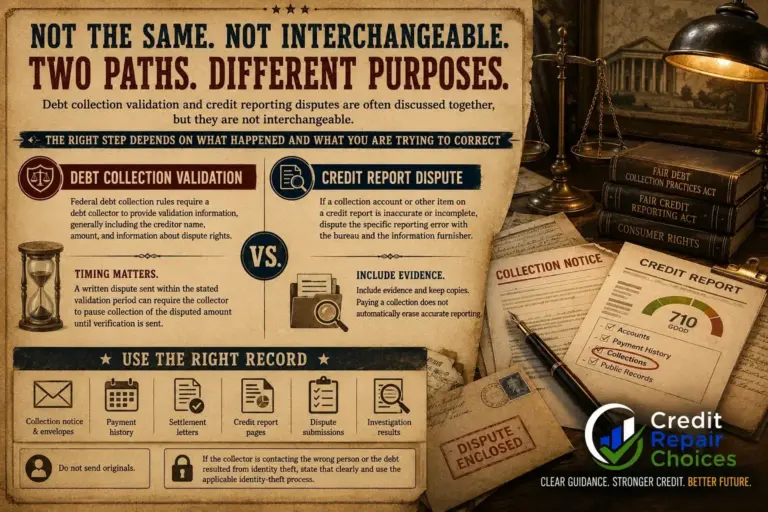
A debt validation request addresses collection information. A credit report dispute addresses information appearing on a consumer report.
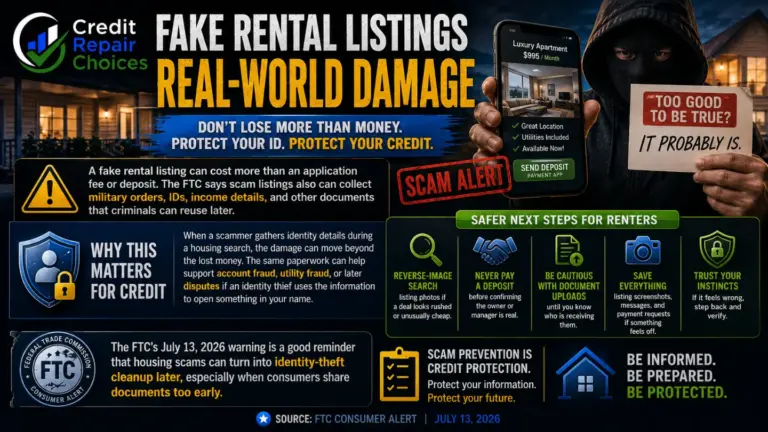
The FTC says rental scams do not just steal deposits. They can also collect enough personal data to create longer fraud and credit-report headaches.
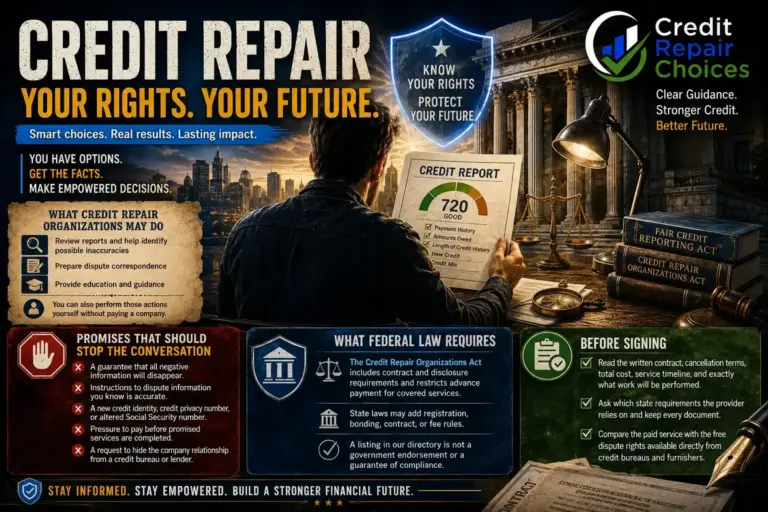
A company can help organize and send legitimate disputes. It cannot legally create a new identity or guarantee the removal of accurate information.
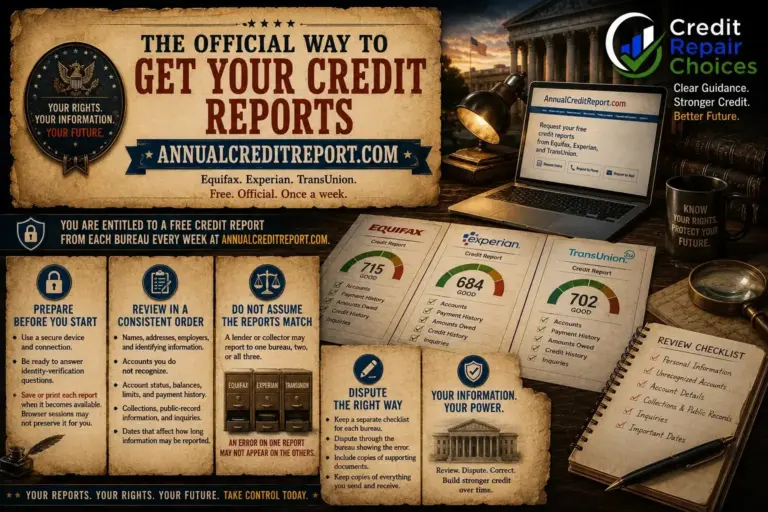
Use the federally authorized source, save each report, and check the details bureau by bureau.
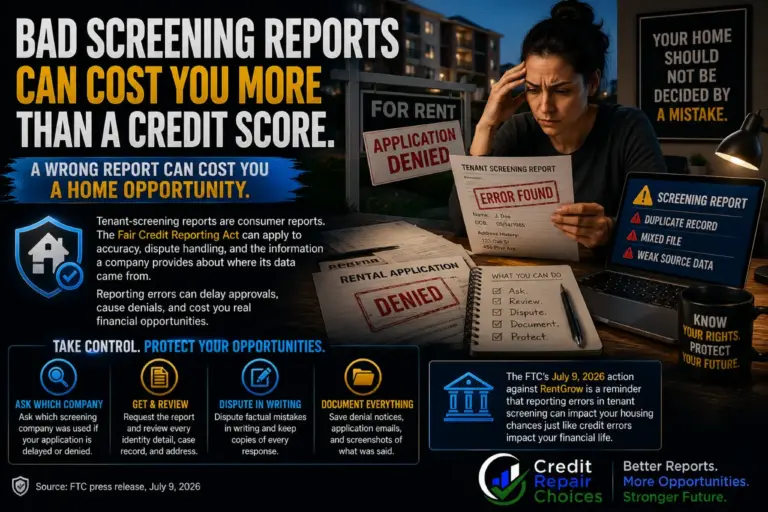
The FTC says tenant-screening reports still have to meet Fair Credit Reporting Act standards for accuracy and source disclosures.
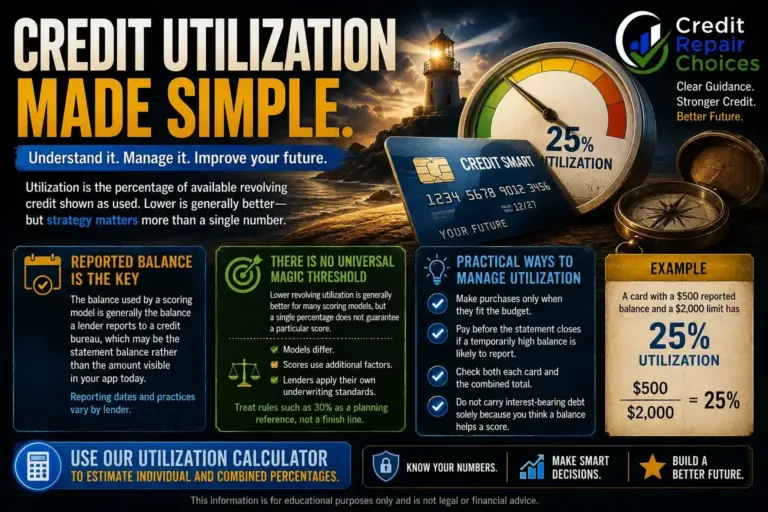
Credit utilization compares revolving balances with limits. Both individual cards and the combined picture can matter.
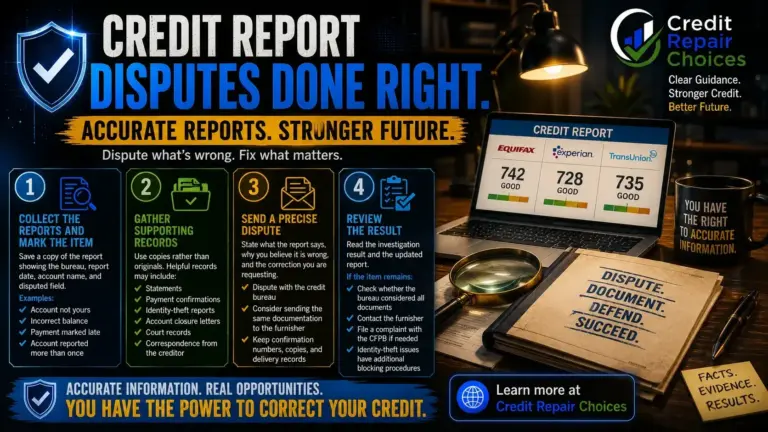
A useful dispute identifies a specific factual error, includes support, and creates a record you can follow.
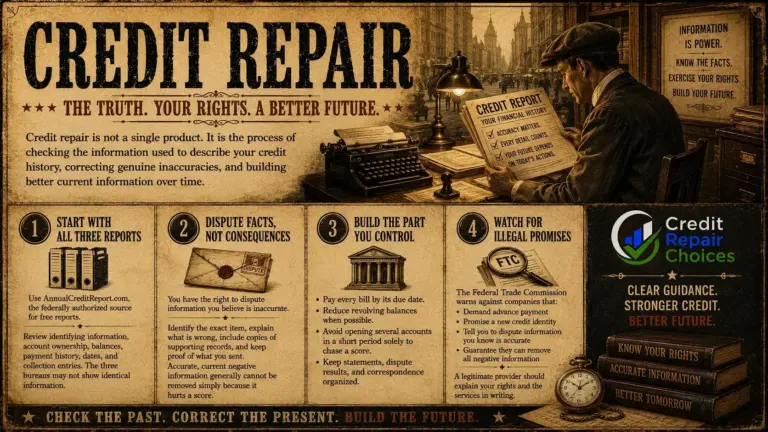
Real credit repair starts with accurate reports, documented disputes, current payments, and time. It does not require a secret loophole.
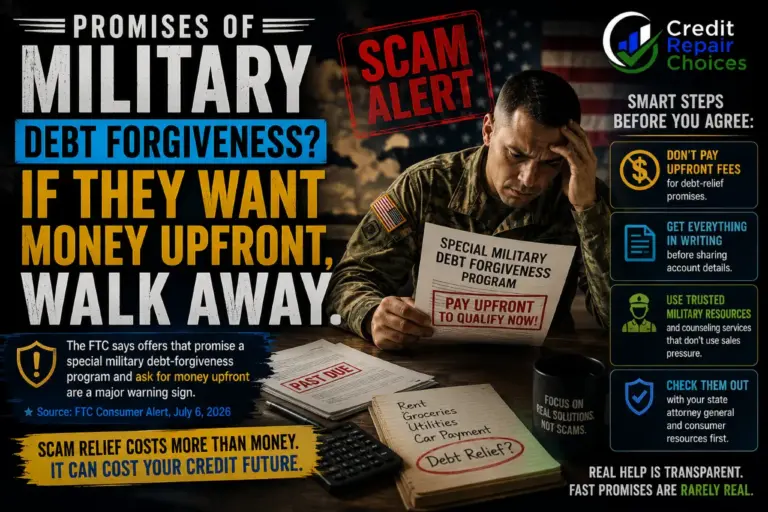
The FTC says scammers are using fake military debt-forgiveness promises to collect fees and personal information from service members and veterans.
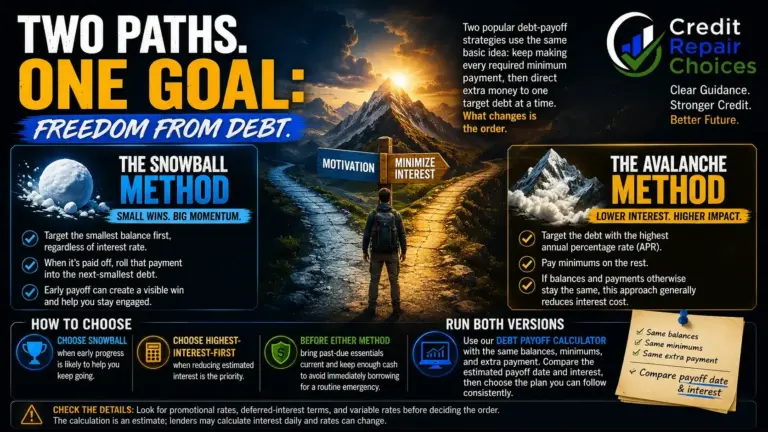
The snowball method targets the smallest balance. The avalanche method targets the highest interest rate. Here is how to compare them without pretending one method fits everyone.

Financial literacy combines knowledge and practical skills used to make informed money decisions.
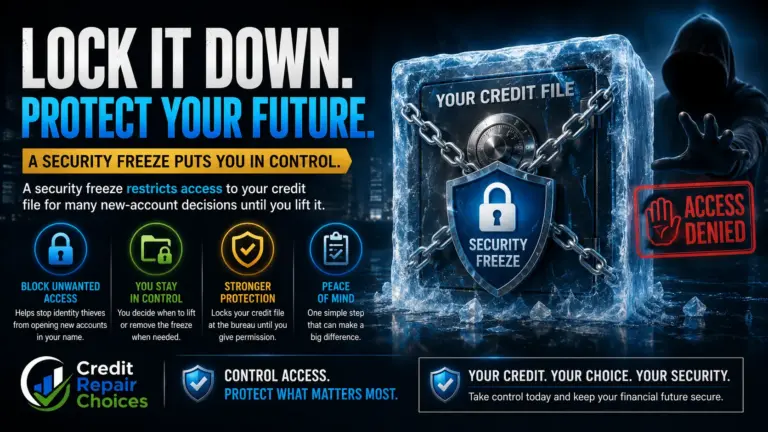
A security freeze restricts access to a credit file for many new-account decisions until the consumer lifts it.
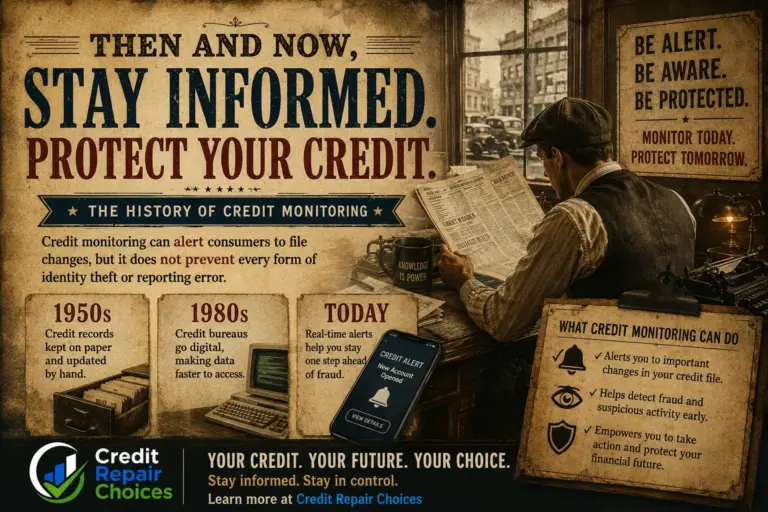
Credit monitoring can alert consumers to file changes, but it does not prevent every form of identity theft or reporting error.