

Why emergency savings can protect a debt-payoff plan.
An emergency fund is cash reserved for unexpected expenses or income interruptions.
Guide library
Browse every published guide or search for the account, report item, debt, or consumer right you are working through.
An emergency fund is cash reserved for unexpected expenses or income interruptions.
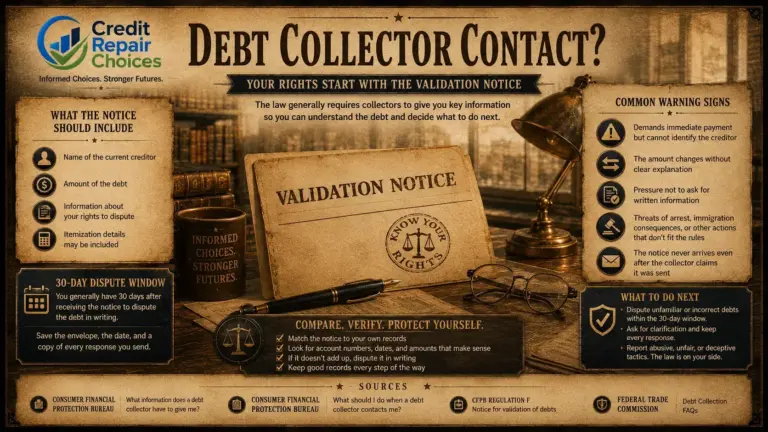
A debt collector usually has to give validation information early in the process. Here is what to look for, what the 30-day window means, and when missing information can be a warning sign.
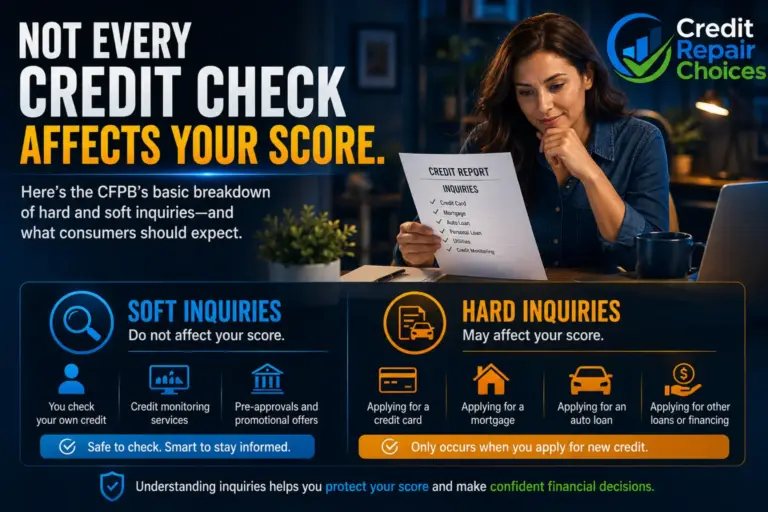
Not every credit check affects your score. Here is the CFPB’s basic breakdown of hard and soft inquiries and what consumers should expect.

A budget is a plan for allocating income across expenses, savings, debt payments, and other priorities.

Personal finance includes budgeting, saving, borrowing, insurance, taxes, and planning for long-term goals.

Debt-to-income ratio compares recurring monthly debt payments with gross monthly income and is used in many lending decisions.
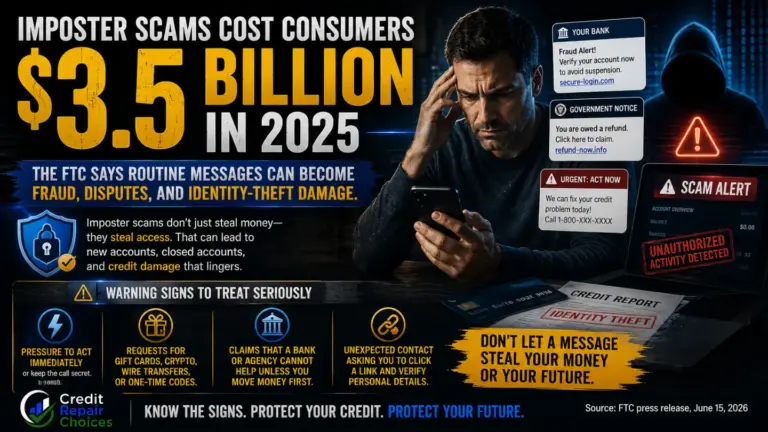
New FTC data show imposter scams remain a huge threat, especially when criminals pose as banks, government agencies, or familiar brands.
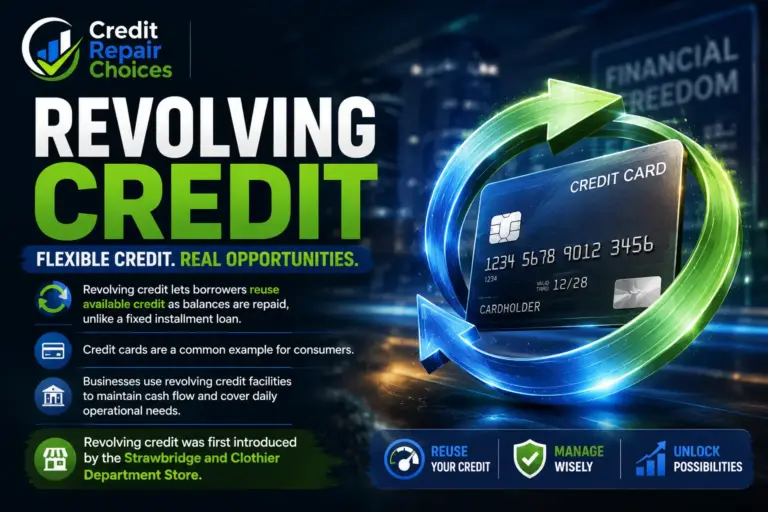
Revolving credit lets borrowers reuse available credit as balances are repaid, unlike a fixed installment loan.

Credit-card balances can affect utilization, while on-time payment history remains a separate scoring factor.

The FTC warns that fake arrest threats tied to jury duty can push people into payment-app losses and identity exposure before they can think clearly.
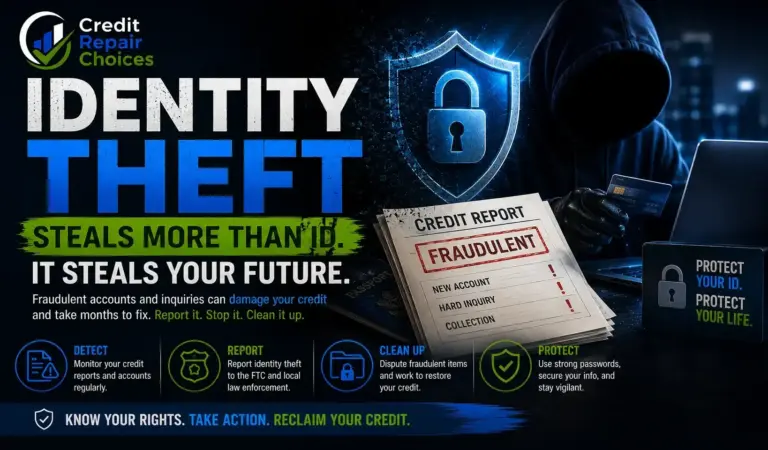
Identity theft can create fraudulent accounts and inquiries that require both fraud reporting and credit-file cleanup.
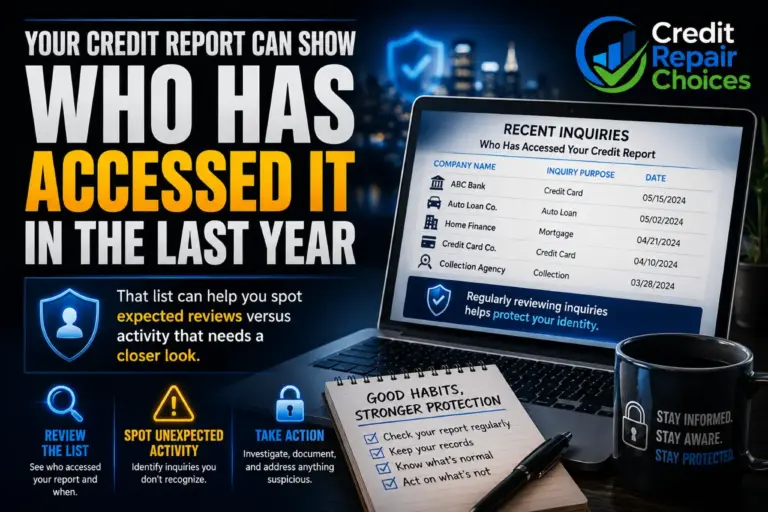
Your credit report can show who has accessed it in the last year, and that list can help you spot expected reviews versus activity that needs a closer look.
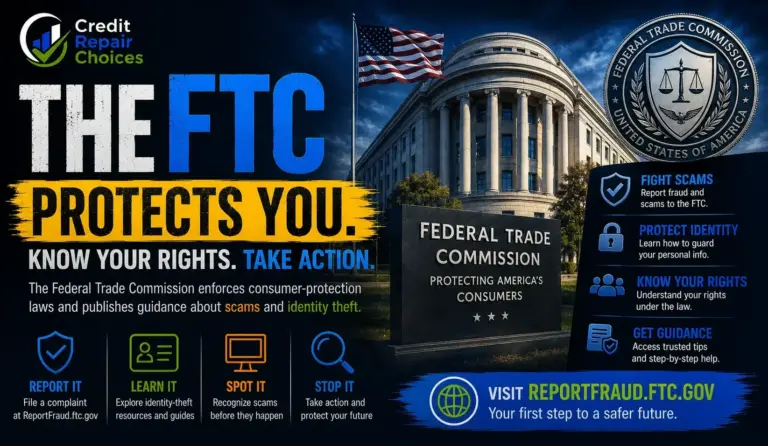
The Federal Trade Commission enforces consumer-protection laws and publishes guidance about scams and identity theft.
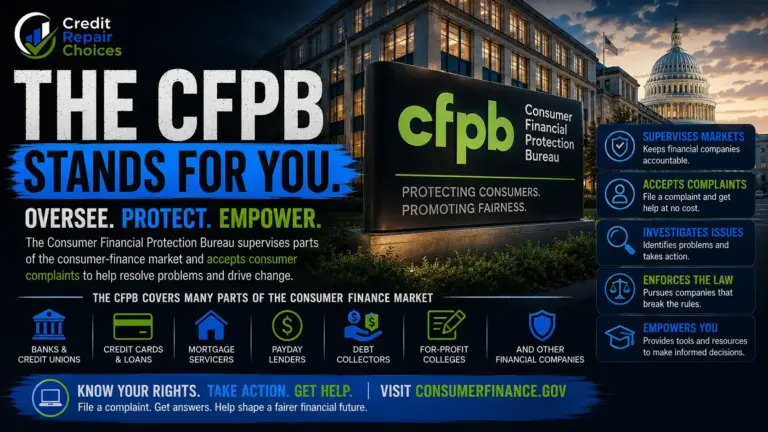
The Consumer Financial Protection Bureau supervises parts of the consumer-finance market and accepts consumer complaints.

The Equal Credit Opportunity Act prohibits credit discrimination based on protected characteristics.
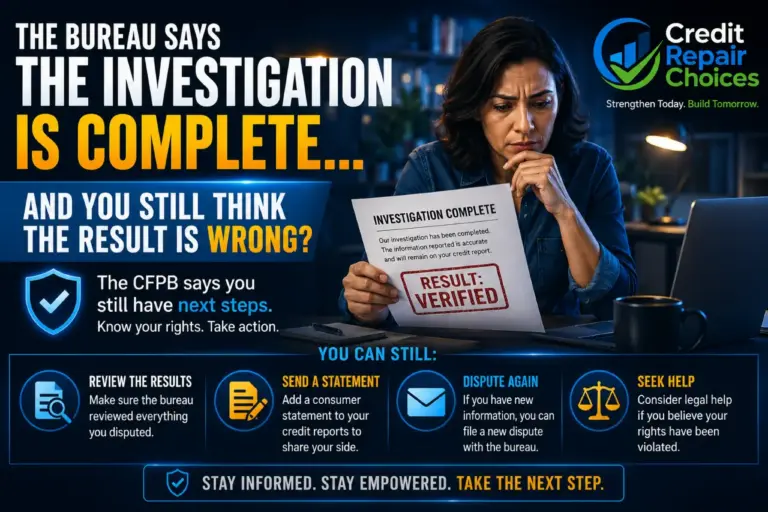
If the bureau says the investigation is complete and you still think the result is wrong, the CFPB says you still have next steps.