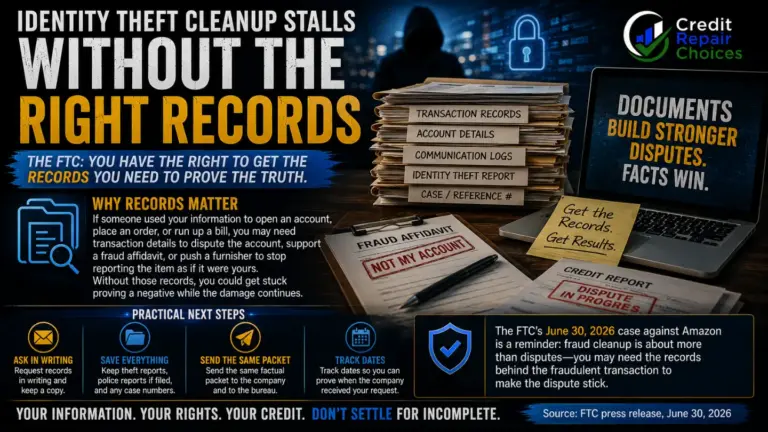
FTC: Identity Theft Victims Have a Right to Key Fraud Records
The FTC says companies cannot ignore Fair Credit Reporting Act duties when identity theft victims ask for transaction records tied to fraud.
Guide library
Browse every published guide or search for the account, report item, debt, or consumer right you are working through.
The FTC says companies cannot ignore Fair Credit Reporting Act duties when identity theft victims ask for transaction records tied to fraud.
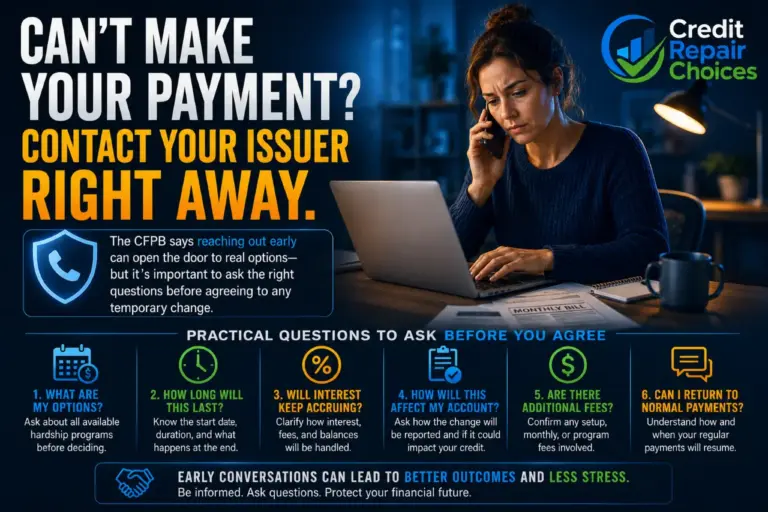
If you cannot make your credit card payment, the CFPB says to contact the issuer right away. These are the practical questions to ask before agreeing to a temporary hardship change.

Predatory lending describes unfair or abusive lending practices that can obscure costs or exploit borrowers.
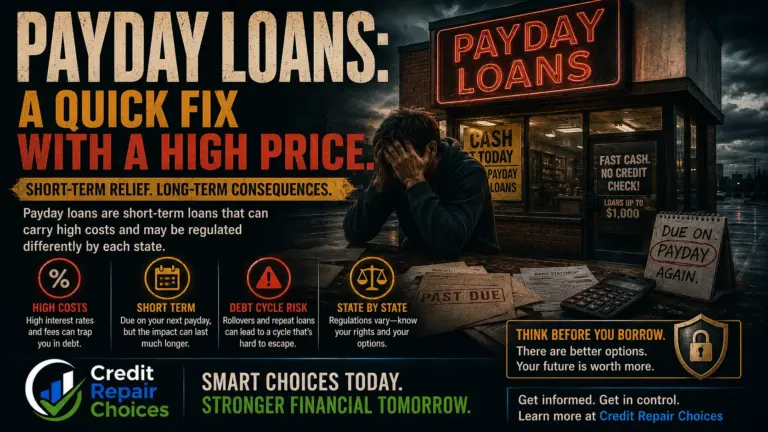
Payday loans are short-term loans that can carry high costs and may be regulated differently by each state.
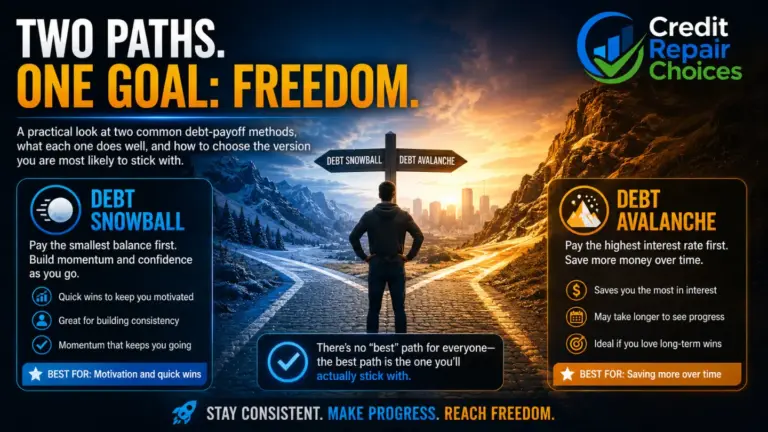
A practical look at two common debt-payoff methods, what each one does well, and how to choose the version you are most likely to stick with.
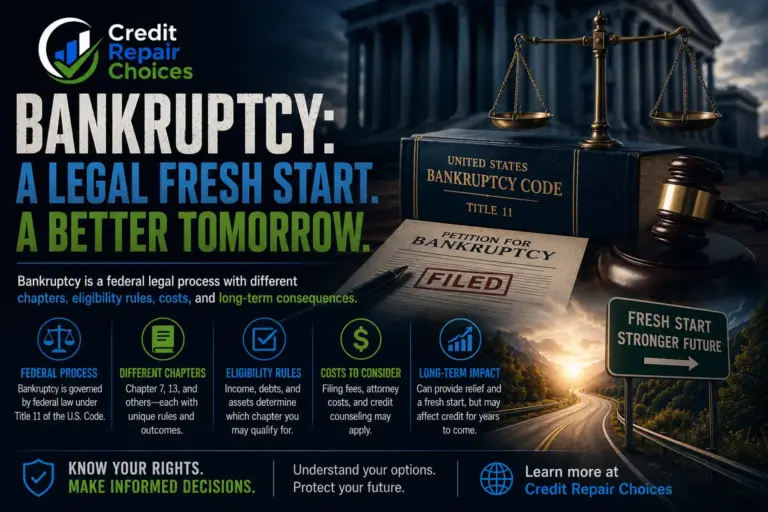
Bankruptcy is a federal legal process with different chapters, eligibility rules, costs, and long-term consequences.
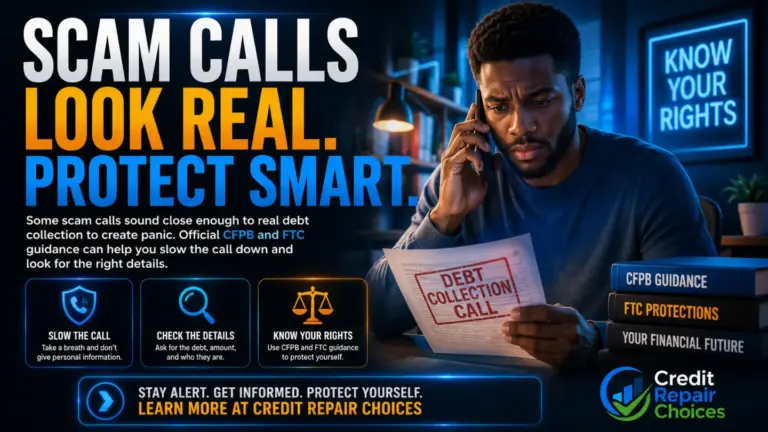
Some scam calls sound close enough to real debt collection to create panic. Official CFPB and FTC guidance can help you slow the call down and look for the right details.

Nonprofit credit counseling can include budgeting help and debt-management plans, but consumers should still review fees and credentials.
The CFPB lists closed accounts reported as open as a common credit report error. Here is why that detail matters and what records to gather before disputing it.
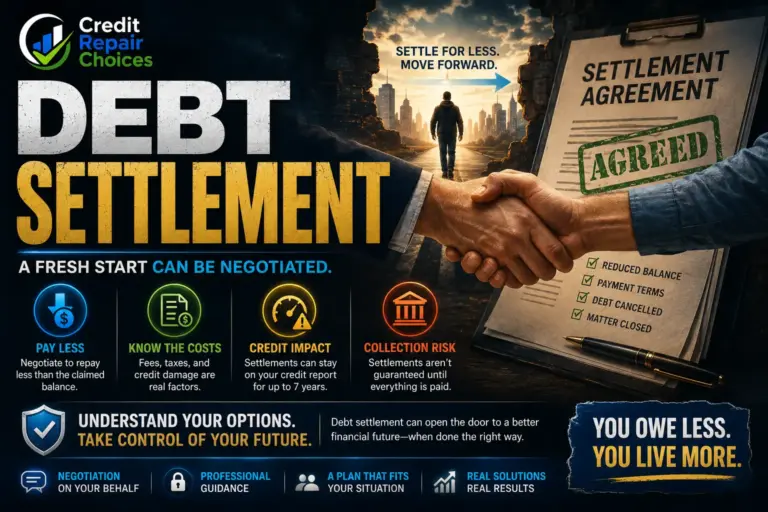
Debt settlement seeks an agreement to repay less than the claimed balance and can involve fees, taxes, credit damage, and collection risk.
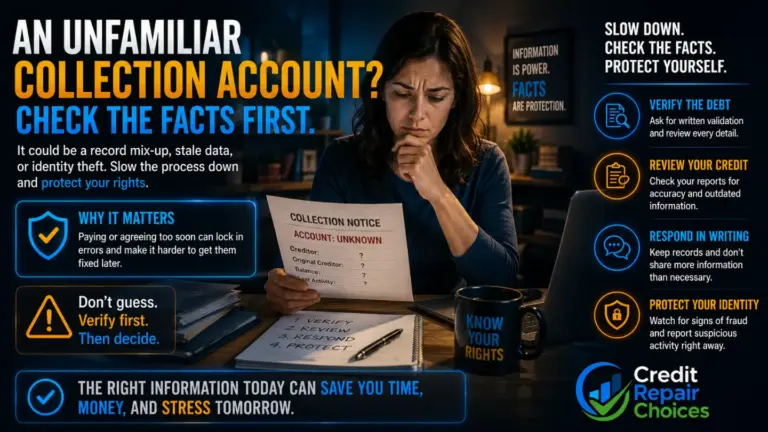
An unfamiliar collection account can point to a record mix-up, stale data, or identity theft. Here is how to slow the process down and check the facts before you pay or agree to anything.
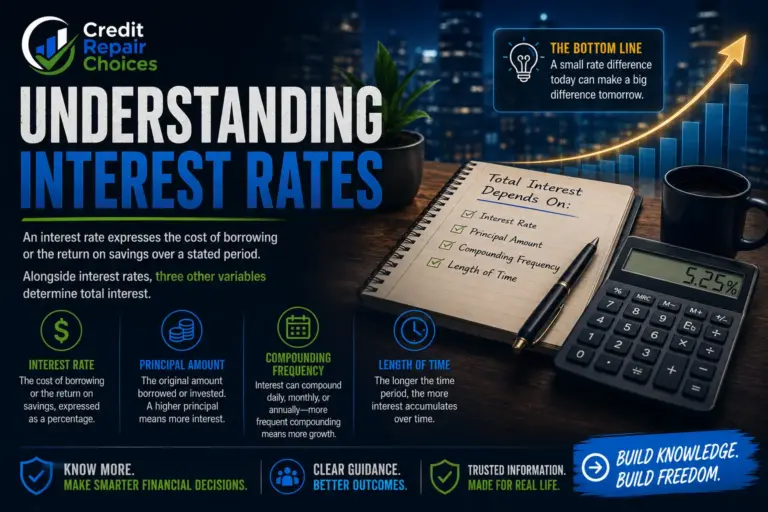
An interest rate expresses the cost of borrowing or the return on savings over a stated period.
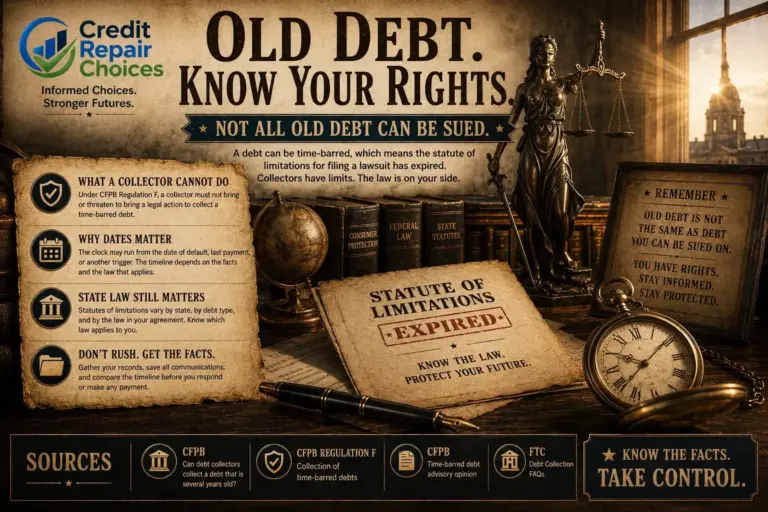
Collectors may still contact consumers about old debt, but there are important limits. Here is what “time-barred” means, what collectors cannot do, and why dates and state law matter.
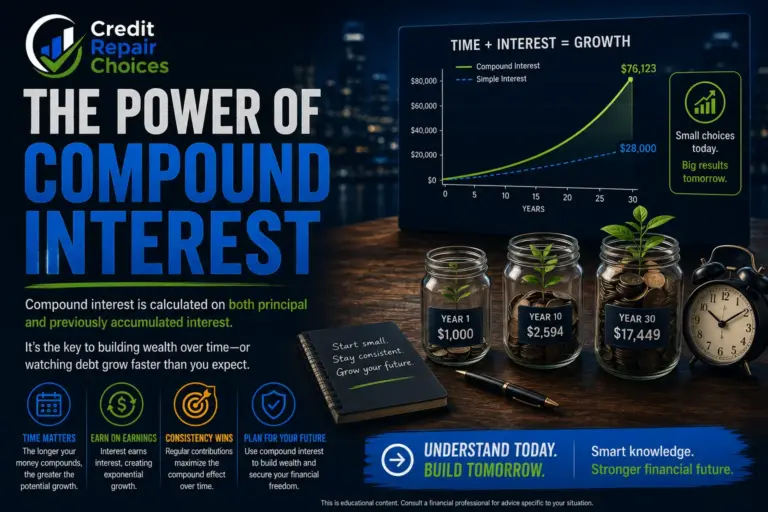
Compound interest is calculated on both principal and previously accumulated interest.

Promises to erase debt or fix credit for an upfront fee should slow you down. Here are common warning signs and what official guidance says consumers can do for themselves first.
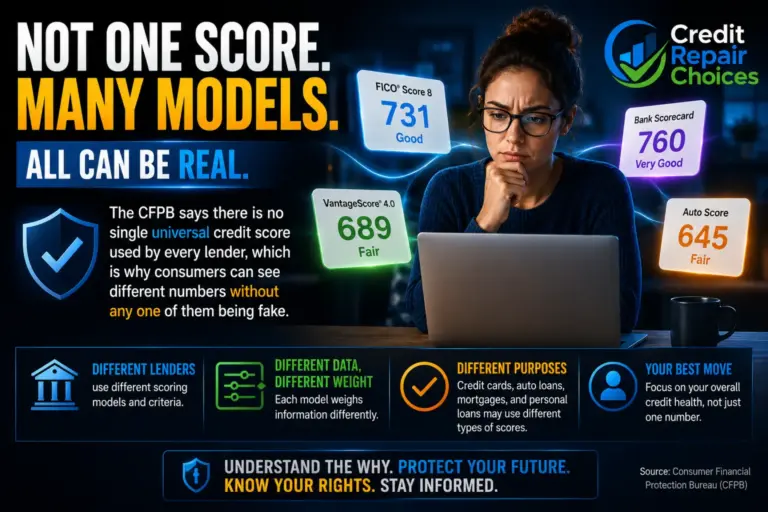
The CFPB says there is no single universal credit score used by every lender, which is why consumers can see different numbers without any one of them being fake.